Introduction
OpenEMR, a renowned open-source electronic health record (EHR) and practice management system, has come a long way since its inception. In this article, we will delve into the history of OpenEMR, its evolution, and its impact on the dental industry.
Early Beginnings: The Birth of OpenEMR
OpenEMR was first created in 2002 by a team of researchers at the University of California, Los Angeles (UCLA). Initially, the software was designed for research purposes, aiming to improve the management of medical records and facilitate data analysis. The early version of OpenEMR was basic, with limited features, but it laid the foundation for the robust system it is today.

Evolution of OpenEMR: From Research to Dentistry
Over the years, OpenEMR underwent significant transformations, driven by the growing demand for EHR systems in the healthcare industry. In 2005, the software was released under the GNU General Public License (GPL), making it open-source and free for anyone to use, modify, and distribute. This move marked a turning point in OpenEMR’s history, as it attracted a community of developers and users who contributed to its growth.
In 2010, OpenEMR started to gain traction in the dental industry, with many dental practices adopting the software for its ease of use, customization options, and cost-effectiveness. The OpenEMR community responded by developing dental-specific features, such as charting and billing modules, to cater to the unique needs of dental professionals.
OpenEMR vs Legacy Tools: A Comparison
| Feature | OpenEMR | Legacy Tools |
|---|---|---|
| Cost | Free and open-source | Expensive licensing fees |
| Customization | Highly customizable | Limited customization options |
| Scalability | Scalable to meet growing practice needs | Limited scalability |
| Security | Robust security features | Outdated security measures |
OpenEMR’s Impact on Dentistry
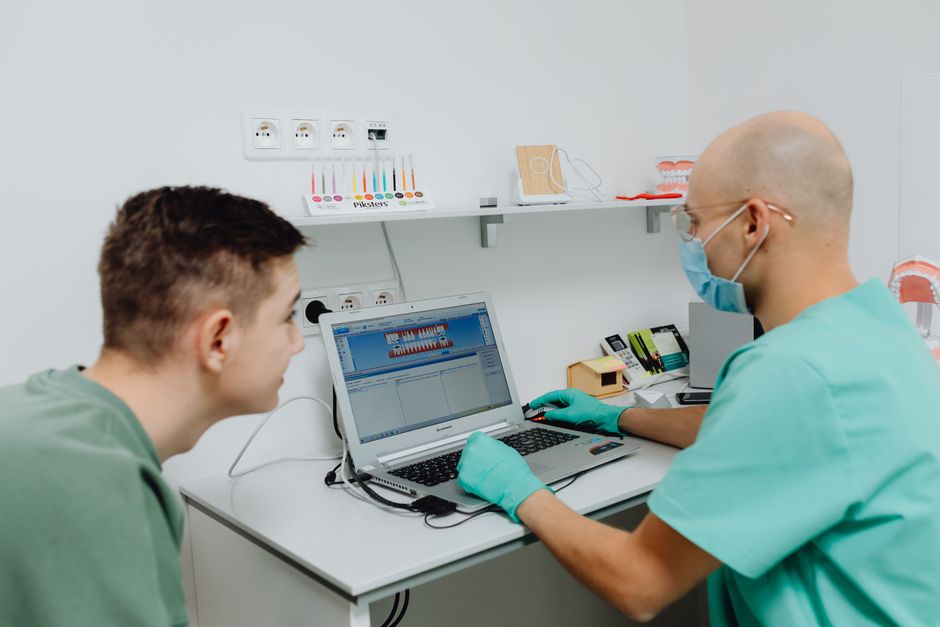
Today, OpenEMR is used by thousands of dental practices worldwide, thanks to its flexibility, affordability, and user-friendly interface. The software has revolutionized the way dental professionals manage patient records, schedule appointments, and perform billing tasks.
One of the key benefits of OpenEMR is its ability to integrate with various dental software and hardware systems, such as digital radiography and 3D visualization tools. This seamless integration enables dental professionals to access a wide range of diagnostic and treatment planning tools, enhancing patient care and outcomes.
Comparison of OpenEMR with Other Dental Software
| Software | OpenEMR | Dentrix | Eaglesoft |
|---|---|---|---|
| Cost | Free and open-source | Expensive licensing fees | Subscription-based model |
| Customization | Highly customizable | Limited customization options | Some customization options |
| Integration | Integrates with various dental software and hardware | Limited integration options | Some integration options |
Conclusion
OpenEMR’s journey from research software to a global dental visualization platform is a testament to the power of open-source innovation. With its rich history, robust features, and cost-effectiveness, OpenEMR has become a leading choice for dental practices seeking to streamline their operations and improve patient care.

Comparison of OpenEMR with Cloud-Based Dental Software
| Feature | OpenEMR | Cloud-Based Dental Software |
|---|---|---|
| Data Storage | On-premise or self-hosted | Cloud-based |
| Accessibility | Accessible via web browser | Accessible via web browser or mobile app |
| Security | Robust security features | Dependent on cloud provider’s security measures |