DicomWorks history: The Evolution of a Dental Visualization Pioneer
Discover the fascinating story of DicomWorks, a software that revolutionized the field of digital radiography and imaging in dentistry. From its humble beginnings as a research tool to its current status as a global dental visualization platform, DicomWorks has come a long way. In this article, we will delve into the history of DicomWorks, exploring its key milestones, features, and impact on the dental industry.
Early Beginnings: The Research Phase
DicomWorks was first conceived in the early 2000s as a research software designed to analyze and visualize medical images. At the time, the field of digital radiography was still in its infancy, and there was a growing need for tools that could effectively process and interpret large amounts of image data. The initial version of DicomWorks was developed by a team of researchers who sought to create a platform that could efficiently handle and analyze medical images.
One of the key features of early DicomWorks was its ability to read and process DICOM (Digital Imaging and Communications in Medicine) files, which are the standard format for medical imaging data. This allowed researchers to easily import and analyze images from various sources, including CT and MRI scans.
Transition to Dentistry: A New Era for DicomWorks
In the mid-2000s, the developers of DicomWorks began to explore its potential applications in the field of dentistry. They recognized that the software’s image analysis and visualization capabilities could be highly beneficial for dental professionals, who often rely on high-quality images to diagnose and treat patients.
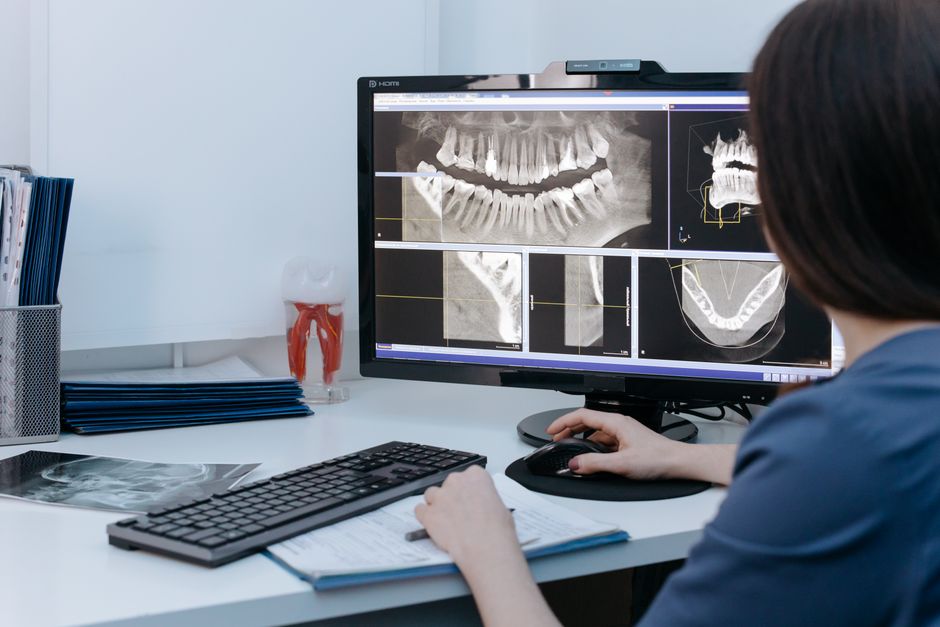
The first dental-specific version of DicomWorks was released in 2007, and it quickly gained popularity among dentists and oral surgeons. The software’s ability to efficiently process and analyze 2D and 3D images made it an indispensable tool for dental professionals, who could use it to diagnose and treat a range of conditions, from tooth decay to complex oral surgeries.
Key Features and Advantages
So, what sets DicomWorks apart from other dental visualization software? Here are some of its key features and advantages:
- Advanced Image Analysis: DicomWorks offers a range of advanced image analysis tools, including density measurement, distance measurement, and angle measurement.
- 3D Visualization: The software allows users to create detailed 3D models from 2D images, which can be used to plan and simulate complex oral surgeries.
- Collaboration Tools: DicomWorks includes a range of collaboration tools, including secure image sharing and real-time commenting.
| Feature | DicomWorks | Legacy Tools |
|---|---|---|
| Advanced Image Analysis | ||
| 3D Visualization | ||
| Collaboration Tools |
In comparison to legacy tools, DicomWorks offers a range of advantages, including advanced image analysis, 3D visualization, and collaboration tools. These features make it an indispensable tool for dental professionals, who can use it to improve patient outcomes and streamline their workflows.
Conclusion
In conclusion, the history of DicomWorks is a story of innovation and evolution. From its humble beginnings as a research tool to its current status as a global dental visualization platform, DicomWorks has come a long way. Its advanced image analysis, 3D visualization, and collaboration tools make it an indispensable tool for dental professionals, who can use it to improve patient outcomes and streamline their workflows.