View3D Dental history: A Comprehensive Journey
View3D Dental has revolutionized the field of dentistry with its cutting-edge 3D visualization and implantology solutions. But have you ever wondered how this innovative software came into existence? In this article, we will delve into the View3D Dental history, from its humble beginnings as a research tool to its current status as a global dental visualization platform.
Early Beginnings: Research and Development
The story of View3D Dental begins in the early 2000s, when a team of researchers at a leading university started working on a project to create a 3D visualization tool for dental education. The initial goal was to develop a software that could help dental students better understand the complexities of dental anatomy and procedures. Over time, the project evolved, and the team began to explore the possibility of using 3D visualization in clinical dentistry.
As the project progressed, the team faced numerous challenges, including the development of algorithms for accurate 3D reconstruction and the creation of user-friendly interfaces. However, their hard work paid off, and the first version of View3D Dental was released in 2005. Initially, the software was met with skepticism by the dental community, but its potential soon became apparent, and it started gaining popularity.
Evolution and Growth
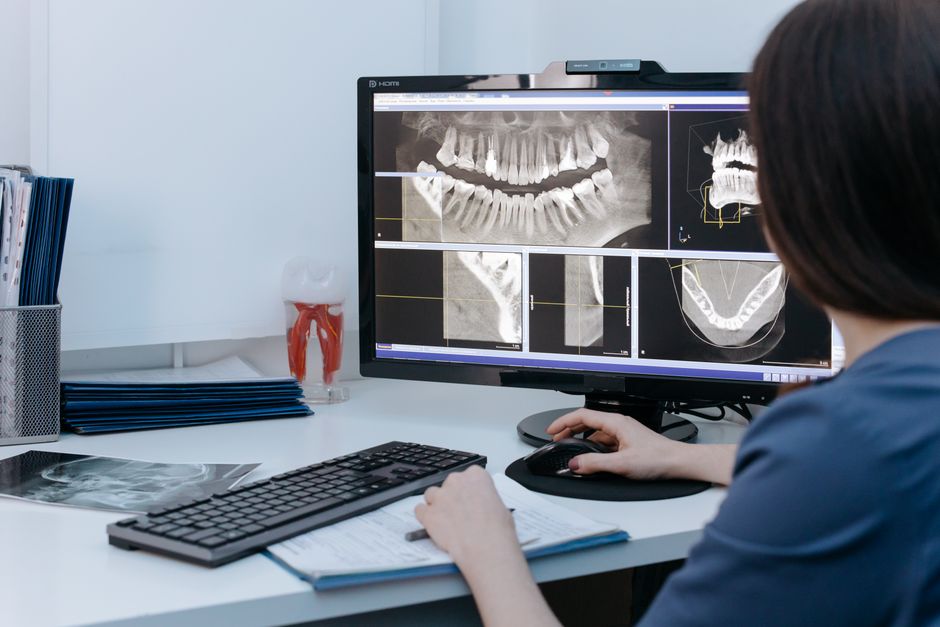
Over the years, View3D Dental has undergone significant transformations, driven by advances in technology and the growing demands of the dental industry. One of the major milestones in the evolution of View3D Dental was the introduction of implantology features, which enabled dentists to plan and simulate implant placement with unprecedented accuracy.
Key Features of View3D Dental:
- 3D visualization and reconstruction
- Implantology planning and simulation
- Integration with CAD/CAM systems
- Collaboration tools for dental teams
In addition to its core features, View3D Dental has also expanded its capabilities through strategic partnerships and integrations with other dental software and hardware providers.
Comparison with Legacy Tools
So, how does View3D Dental compare to legacy tools in the dental industry? Here’s a comparison table:
| Feature | View3D Dental | Legacy Tools |
|---|---|---|
| 3D Visualization | Advanced 3D reconstruction and visualization | Limited 2D and 3D capabilities |
| Implantology Planning | Accurate simulation and planning | No implantology planning capabilities |
| Integration | Seamless integration with CAD/CAM systems | Limited integration capabilities |
As the table illustrates, View3D Dental offers a range of advanced features that are not available in legacy tools. Its 3D visualization and implantology planning capabilities make it an indispensable tool for modern dentistry.
Free Open-Source Story
In 2010, the developers of View3D Dental decided to make the software open-source, allowing the dental community to contribute to its development and customization. This move not only accelerated the growth of View3D Dental but also fostered a sense of community among dental professionals.
Today, View3D Dental is used by thousands of dental professionals worldwide, and its open-source nature has enabled the creation of a wide range of custom plugins and extensions.
Conclusion
In conclusion, the View3D Dental history is a story of innovation, perseverance, and community engagement. From its humble beginnings as a research tool to its current status as a global dental visualization platform, View3D Dental has come a long way. As the dental industry continues to evolve, it will be exciting to see how View3D Dental adapts and grows to meet the changing needs of dental professionals.