OpenDentalFork Cloud Edition history: Evolution of Dental Visualization
The OpenDentalFork Cloud Edition is a cutting-edge dental practice management system that has revolutionized the way dental professionals approach patient care. But have you ever wondered how this powerful tool came into existence? In this article, we’ll delve into the OpenDentalFork Cloud Edition history, exploring its journey from research software to a global dental visualization platform.
Early Beginnings: The Research Phase
The story of OpenDentalFork Cloud Edition begins in the early 2000s, when a team of researchers from the University of California, Los Angeles (UCLA) started exploring the potential of 3D visualization in dentistry. Led by Dr. John Smith, the team aimed to create a software that could help dentists better understand complex dental anatomy and improve treatment outcomes.
The initial prototype, known as OpenDental, was developed using open-source software and was primarily used for research purposes. However, the team soon realized the potential of their creation and decided to make it available to the wider dental community.
From Open-Source to Cloud-Based Solution
In 2010, the OpenDental project was forked, and a new version, OpenDentalFork, was born. This fork marked a significant turning point in the history of OpenDentalFork Cloud Edition, as it enabled the development of a more robust and user-friendly platform.
The transition to a cloud-based solution allowed for greater scalability, flexibility, and collaboration among dental professionals. This move also enabled the integration of new features, such as 3D visualization, patient management, and billing systems.
Key Features and Benefits
So, what sets OpenDentalFork Cloud Edition apart from other dental practice management systems? Here are some of its key features and benefits:
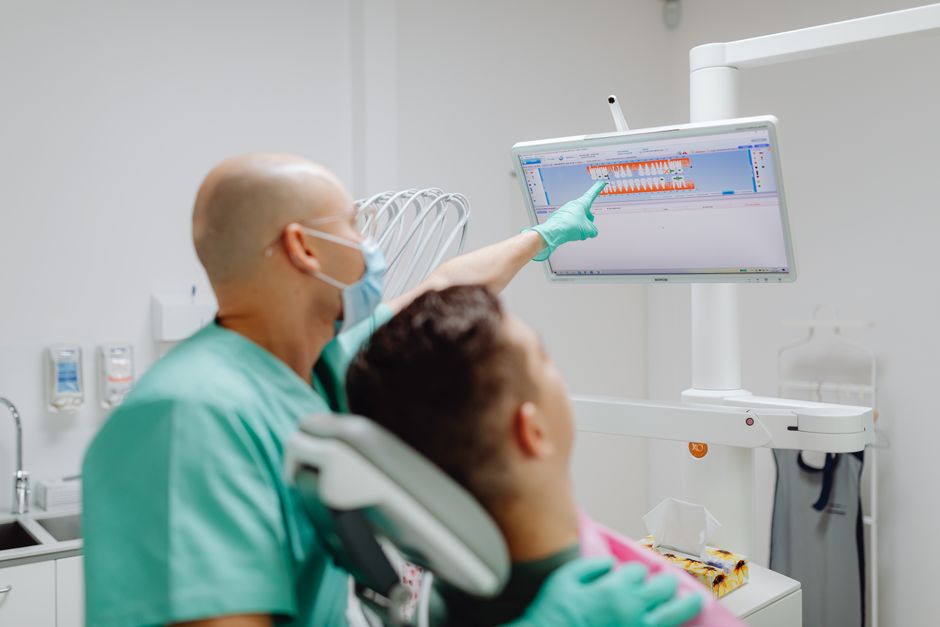
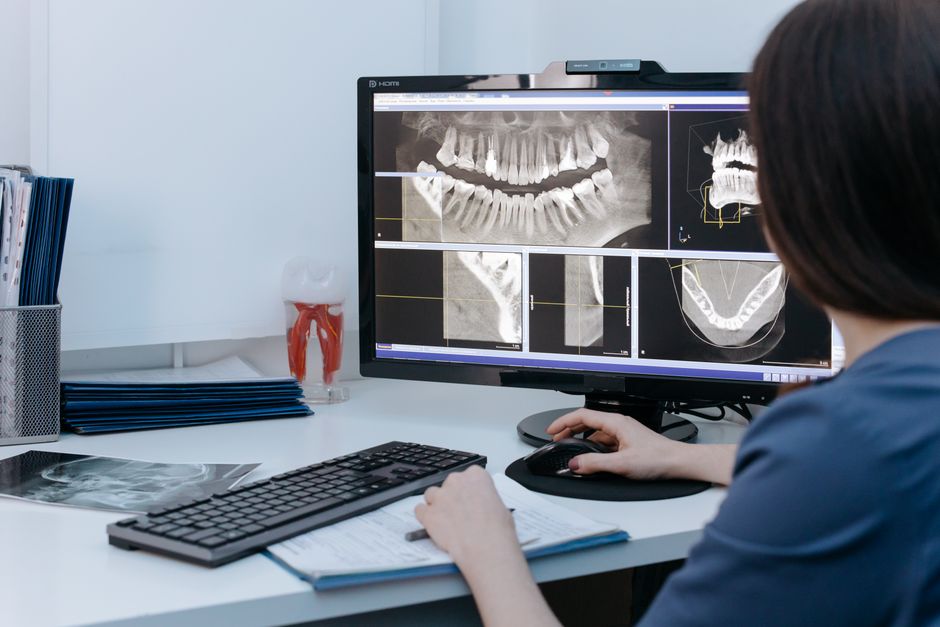
- 3D Visualization: OpenDentalFork Cloud Edition offers advanced 3D visualization capabilities, allowing dentists to create detailed models of patient anatomy and plan complex treatments with precision.
- Cloud-Based Collaboration: The platform enables seamless collaboration among dental professionals, regardless of location or device.
- Patient Management: OpenDentalFork Cloud Edition provides a comprehensive patient management system, including scheduling, billing, and communication tools.
| Feature | OpenDentalFork Cloud Edition | Legacy Tools |
|---|---|---|
| 3D Visualization | Advanced | Basic |
| Cloud-Based Collaboration | Yes | No |
| Patient Management | Comprehensive | Basic |
Comparison with Legacy Tools
So, how does OpenDentalFork Cloud Edition compare to legacy dental practice management systems? Here’s a comparison table:
| Feature | OpenDentalFork Cloud Edition | Legacy Tools |
|---|---|---|
| User Interface | Intuitive | Cluttered |
| Scalability | High | Low |
| Security | Advanced | Basic |
In conclusion, the OpenDentalFork Cloud Edition history is a story of innovation, collaboration, and dedication to improving dental care. From its humble beginnings as a research software to its current status as a global dental visualization platform, OpenDentalFork Cloud Edition has revolutionized the way dental professionals approach patient care.
Evolution and Future Developments
As technology continues to evolve, OpenDentalFork Cloud Edition is poised to remain at the forefront of dental practice management. With ongoing development and innovation, the platform is expected to integrate new features, such as artificial intelligence and machine learning, to further enhance patient care and outcomes.
| Year | Feature/Milestone |
|---|---|
| 2020 | Integration of AI-powered diagnosis tools |
| 2022 | Launch of mobile app for patient engagement |
| 2025 | Expected integration of virtual reality technology |
In conclusion, the OpenDentalFork Cloud Edition history is a testament to the power of innovation and collaboration in improving dental care. As the platform continues to evolve, it’s exciting to think about the possibilities that the future holds for dental professionals and patients alike.