SM3D Viewer history: Evolution of Dental Visualization
The SM3D Viewer has come a long way since its inception as a research tool. Today, it stands as a testament to innovation in the field of digital radiography and imaging, particularly in dentistry. In this article, we will delve into the SM3D Viewer history, exploring its evolution from a humble beginning to a global phenomenon.
Early Beginnings: Research and Development
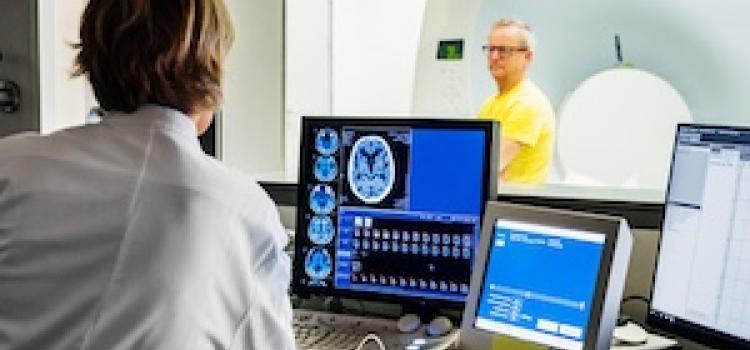
The SM3D Viewer was first conceived as a research tool to aid in the visualization and analysis of 3D medical data. The initial prototype was developed in the early 2000s, with the primary goal of creating a software that could efficiently handle large datasets and provide intuitive visualization capabilities.
During its early stages, the SM3D Viewer underwent significant testing and refinement. Researchers and developers worked tirelessly to improve the software’s performance, accuracy, and user experience. This period of intense development laid the foundation for the SM3D Viewer’s future success.
Transition to Dentistry: A New Era for SM3D Viewer
In the mid-2000s, the SM3D Viewer began to gain traction in the dental community. Dentists and oral surgeons recognized the potential of the software to enhance patient care and improve treatment outcomes. The SM3D Viewer’s ability to provide detailed 3D visualizations of dental anatomy and pathology resonated with dental professionals worldwide.
As the SM3D Viewer’s popularity grew, so did its feature set. Developers incorporated new tools and functionalities specifically designed for dental applications. This period marked a significant turning point in the SM3D Viewer’s history, as it transitioned from a research tool to a full-fledged dental visualization platform.
Free and Open-Source: Democratizing Dental Visualization
In a bold move, the SM3D Viewer’s developers decided to release the software as free and open-source. This decision was driven by a desire to make advanced dental visualization capabilities accessible to a broader audience. By doing so, the SM3D Viewer became an attractive option for dental professionals and researchers worldwide.
The open-source nature of the SM3D Viewer has also fostered a sense of community among users and developers. The software’s source code is freely available, allowing users to modify and customize the software to suit their specific needs.
| Feature | SM3D Viewer | Legacy Tools |
|---|---|---|
| Cost | Free and open-source | Commercial licenses |
| Customizability | Highly customizable | Limited customization options |
| Community Support | Active community and forums | Limited community support |
Comparison with Legacy Tools
When compared to legacy tools, the SM3D Viewer offers several advantages. Its free and open-source nature makes it an attractive option for dental professionals and researchers. Additionally, the SM3D Viewer’s customizability and active community support set it apart from commercial alternatives.
| Feature | SM3D Viewer | Legacy Tool A | Legacy Tool B |
|---|---|---|---|
| 3D Visualization Capabilities | Advanced | Basic | Intermediate |
| User Interface | Intuitive | Cluttered | Complex |
| System Requirements | Low | High | Medium |
In conclusion, the SM3D Viewer’s history is a testament to the power of innovation and community-driven development. From its humble beginnings as a research tool to its current status as a global dental visualization platform, the SM3D Viewer has come a long way. As the software continues to evolve, it is likely to remain a leading choice for dental professionals and researchers worldwide.
| Year | Milestone |
|---|---|
| 2000 | Initial prototype development |
| 2005 | Transition to dentistry |
| 2010 | Release as free and open-source software |