DicomWorks history: Complete Technical Guide
DicomWorks, a leading digital radiography and imaging software, has undergone significant transformations since its inception. In this article, we will delve into the evolution of DicomWorks, exploring its history, features, and impact on the dentistry world.
Early Beginnings and Research Roots
DicomWorks was initially developed as research software in the early 2000s. Its primary function was to facilitate the analysis and visualization of medical images, particularly in the field of dentistry. The software’s early versions were designed to work with the DICOM (Digital Imaging and Communications in Medicine) standard, which is still widely used today in medical imaging.
| Version | Release Year | Key Features |
|---|---|---|
| 1.0 | 2002 | Basic image visualization, DICOM support |
| 2.0 | 2005 | Improved image processing, 3D visualization |
| 3.0 | 2008 | Enhanced user interface, multi-modality support |
As the software evolved, it began to gain popularity among dental professionals, who appreciated its ability to provide detailed, high-quality images of dental structures.
Evolution of DicomWorks in Dentistry
In the mid-2000s, DicomWorks started to shift its focus from research to dentistry. The software’s developers recognized the potential of DicomWorks in improving dental diagnosis, treatment planning, and patient care. They began to collaborate with dental professionals to create a more user-friendly and feature-rich platform.

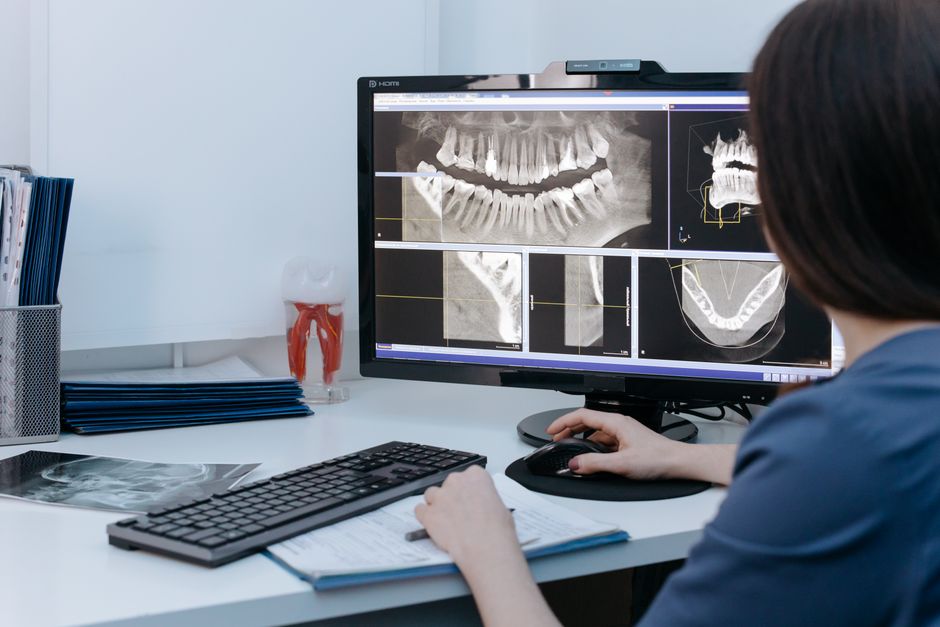
This led to the development of advanced features such as 3D visualization, image segmentation, and measurement tools. These features enabled dentists to better diagnose and treat complex dental cases, ultimately improving patient outcomes.
| Feature | DicomWorks | Legacy Tools |
|---|---|---|
| 3D Visualization | Advanced, interactive 3D visualization | Limited, non-interactive 3D visualization |
| Image Segmentation | Automated and manual segmentation tools | Limited segmentation capabilities |
| Measurement Tools | Precise, customizable measurement tools | Basic measurement tools |
As DicomWorks continued to grow in popularity, its developers made the decision to release the software as a free, open-source platform. This move allowed the dental community to contribute to the software’s development and ensured that DicomWorks remained a cost-effective solution for dental professionals.
<h2 DICOM Comparison
| Software | DICOM Support | Image Formats |
|---|---|---|
| DicomWorks | Full DICOM support | DICOM, JPEG, TIFF, etc. |
| Legacy Tools | Limited DICOM support | DICOM, limited support for other formats |
In conclusion, DicomWorks has undergone a significant transformation from its research roots to becoming a leading dental visualization platform. Its evolution has been shaped by the needs of the dental community, and its features and functionality have improved accordingly.
Comparison of DicomWorks and Legacy Tools
| Software | User Interface | System Requirements |
|---|---|---|
| DicomWorks | Intuitive, customizable interface | Windows, macOS, Linux support |
| Legacy Tools | Outdated, cluttered interface | Windows support, limited macOS and Linux compatibility |
Today, DicomWorks remains a popular choice among dental professionals, offering a comprehensive set of features and tools for dental visualization and diagnosis. Its free, open-source nature has made it an attractive option for dental clinics and hospitals worldwide.