Dental Shaper Lite history: A Comprehensive Evolutionary Timeline
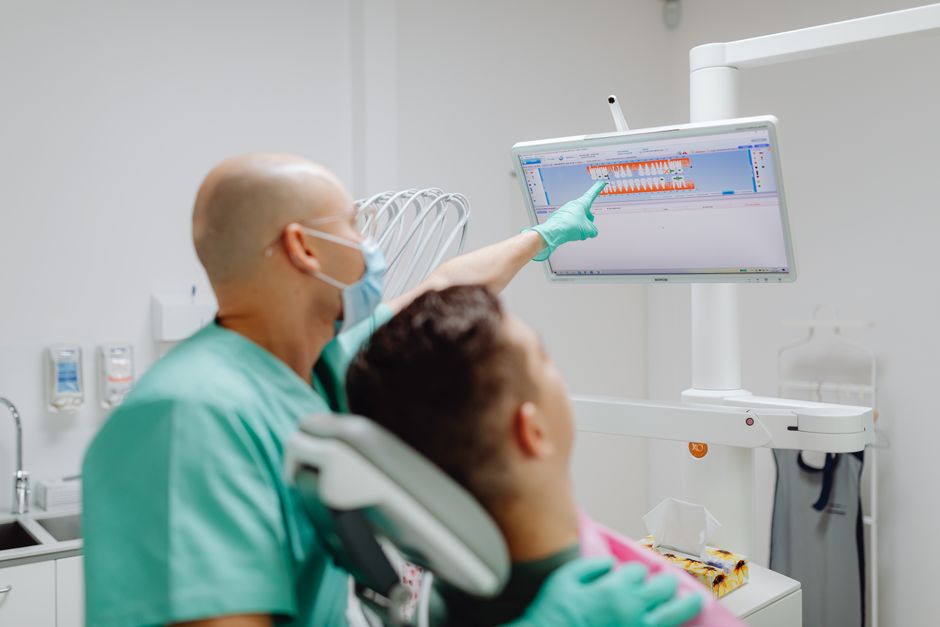
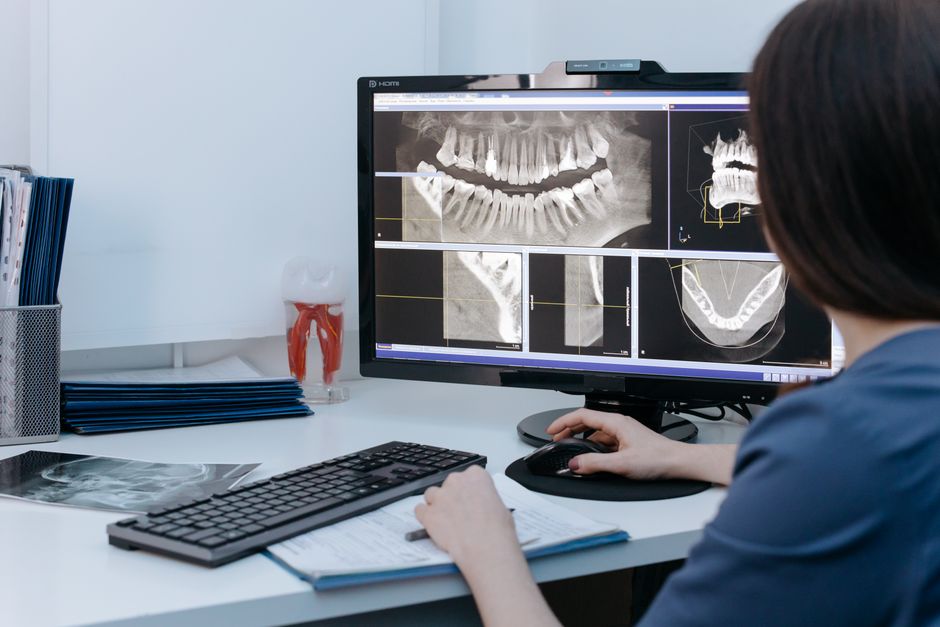
Dental Shaper Lite has come a long way since its inception, transforming from a research software to a global dental visualization platform. In this article, we will delve into the Dental Shaper Lite history, exploring its creation, evolution, and the significant milestones that have shaped its journey.
From Humble Beginnings to a Revolutionary Tool
The concept of Dental Shaper Lite was first conceived in the early 2000s, when a team of researchers sought to create a software that could aid in dental visualization and treatment planning. The initial version of the software was basic, with limited features and functionality. However, the potential of the software was vast, and the researchers continued to work on improving it.
Over the years, Dental Shaper Lite underwent significant transformations, with new features and tools being added to enhance its capabilities. The software began to gain traction in the dental community, with many practitioners adopting it as a valuable tool in their treatment planning and patient education efforts.
Key Milestones in Dental Shaper Lite’s Evolution
- 2005: The first version of Dental Shaper Lite is released, featuring basic dental visualization capabilities.
- 2008: The software undergoes a major overhaul, with the introduction of advanced features such as 3D modeling and simulation.
- 2012: Dental Shaper Lite becomes a global phenomenon, with its adoption spreading across the world.
- 2015: The software is updated to include advanced diagnostic tools, further solidifying its position as a leading dental visualization platform.
Comparison with Legacy Tools
In the past, dental practitioners relied on traditional methods such as X-rays and physical models to visualize and plan treatments. However, these methods had limitations, including radiation exposure and the need for physical storage space. Dental Shaper Lite, on the other hand, offers a more efficient, accurate, and patient-friendly alternative.
| Feature | Dental Shaper Lite | Legacy Tools |
|---|---|---|
| Visualization Capabilities | Advanced 3D modeling and simulation | Limited to 2D X-rays and physical models |
| Radiation Exposure | None | Potentially high levels of radiation |
| Storage Requirements | Minimal digital storage space | Physical storage space required for models and X-rays |
Free Open-Source Story
One of the most significant advantages of Dental Shaper Lite is its free open-source nature. This means that users have access to the software’s source code, allowing them to modify and customize it to suit their specific needs. Additionally, the open-source community contributes to the software’s development, ensuring that it remains up-to-date and relevant.
This approach has fostered a sense of collaboration and innovation, with users and developers working together to push the boundaries of what is possible with dental visualization software.
| Feature | Dental Shaper Lite | Proprietary Software |
|---|---|---|
| Licensing Fees | None | Potentially high licensing fees |
| Customization Options | Advanced customization options through open-source code | Limited customization options |
| Community Support | Active open-source community contributing to development | Support limited to proprietary company resources |
The Future of Dental Shaper Lite
As Dental Shaper Lite continues to evolve, it is likely to play an increasingly important role in the field of dentistry. With its advanced features, open-source nature, and growing community of users and developers, the software is poised to become an indispensable tool for dental practitioners worldwide.
In conclusion, the Dental Shaper Lite history is a testament to the power of innovation and collaboration. From its humble beginnings as a research software to its current status as a global dental visualization platform, Dental Shaper Lite has come a long way. As it continues to evolve, it is likely to shape the future of dentistry and improve patient outcomes for generations to come.
| Year | Version | New Features |
|---|---|---|
| 2005 | 1.0 | Basic dental visualization capabilities |
| 2008 | 2.0 | Advanced 3D modeling and simulation |
| 2012 | 3.0 | Global adoption and advanced diagnostic tools |
| 2015 | 4.0 | Further enhancements to diagnostic tools and visualization capabilities |