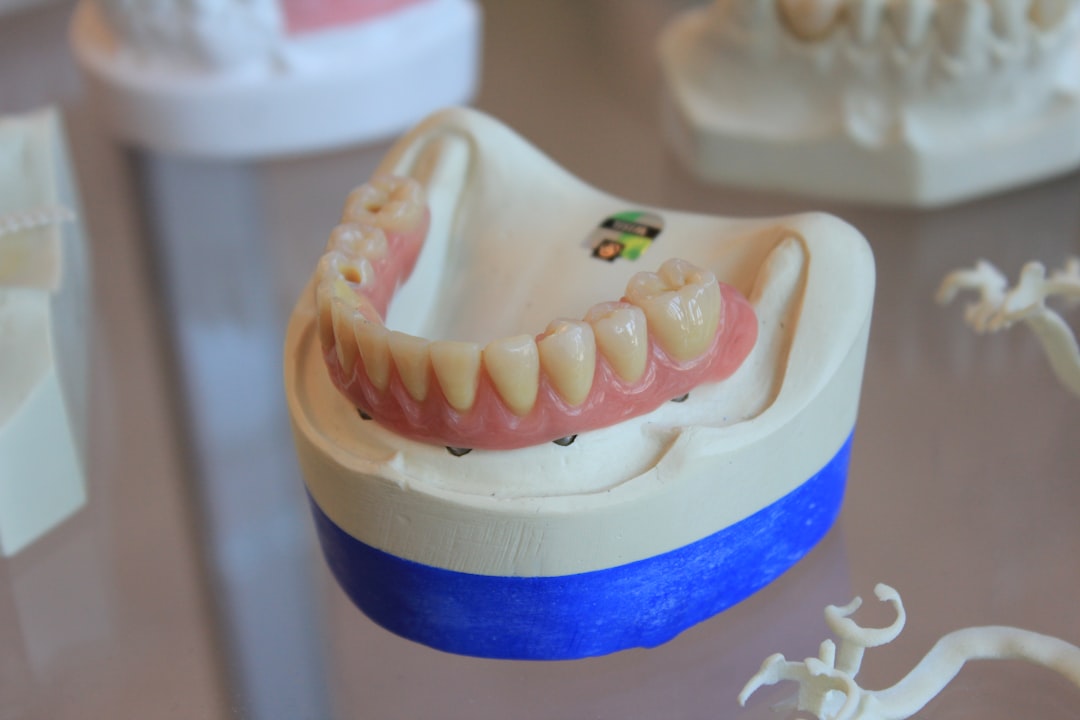
What is OpenEMR?
OpenEMR is a popular, open-source electronic health record (EHR) and practice management system designed for medical and dental practices. It offers a comprehensive solution for managing patient data, scheduling appointments, and tracking billing and insurance claims. With its robust features and customizable interface, OpenEMR has become a favorite among healthcare providers seeking to streamline their operations and improve patient care.
Main Features of OpenEMR
Some of the key features of OpenEMR include:
- Patient demographics and medical history management
- Appointment scheduling and reminders
- Electronic billing and insurance claims processing
- Prescription writing and medication management
- Lab results and radiology report management
- Customizable clinical decision support rules
OpenEMR vs. Alternatives
Comparison with Other EHR Systems
While OpenEMR is a powerful EHR system, it’s essential to consider alternative options to determine the best fit for your dental practice. Some popular alternatives include:
| System | Key Features | Pricing |
|---|---|---|
| Dentrix | Comprehensive EHR, practice management, and imaging solutions | Custom quote-based pricing |
| Eaglesoft | Integrated EHR, practice management, and billing solutions | Monthly subscription fees |
| Curve Dental | Cloud-based EHR, practice management, and billing solutions | Monthly subscription fees |
Installation Guide
Step-by-Step Installation Process
Installing OpenEMR requires some technical expertise, but the process can be broken down into the following steps:
- Download the OpenEMR software from the official website
- Set up a compatible database management system (e.g., MySQL)
- Create a new database for OpenEMR and configure the database settings
- Upload the OpenEMR files to your web server
- Configure the OpenEMR settings and customize the interface
Technical Specifications
System Requirements and Compatibility
OpenEMR is compatible with various operating systems, including Windows, macOS, and Linux. The system requirements include:
- PHP 7.2 or higher
- MySQL 5.6 or higher
- Apache 2.4 or higher
- At least 2 GB of RAM and 10 GB of disk space
Pros and Cons
Advantages and Disadvantages of Using OpenEMR
OpenEMR offers several advantages, including:
- Free and open-source software
- Highly customizable interface
- Comprehensive feature set
- Support for multiple users and locations
However, OpenEMR also has some disadvantages, including:
- Steep learning curve for new users
- Requires technical expertise for installation and customization
- May require additional hardware and software resources
FAQ
Frequently Asked Questions
Here are some frequently asked questions about OpenEMR:
- Is OpenEMR free?
- Yes, OpenEMR is free and open-source software.
- Is OpenEMR compatible with my operating system?
- OpenEMR is compatible with Windows, macOS, and Linux operating systems.
- Can I customize the OpenEMR interface?
- Yes, OpenEMR offers a highly customizable interface.