What is OpenEMR?
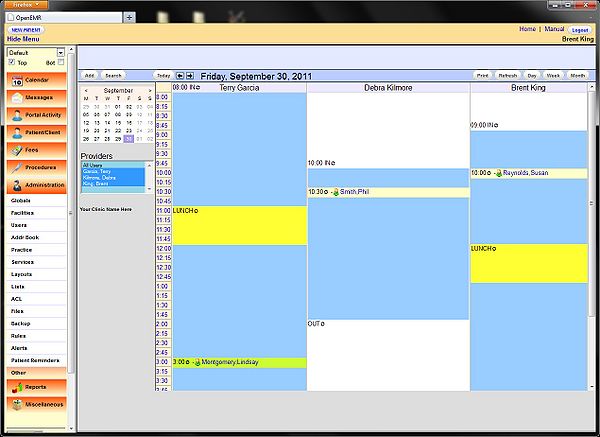
OpenEMR is a popular open-source electronic health record (EHR) and practice management system designed for medical and dental practices. It offers a comprehensive solution for managing patient data, scheduling appointments, and tracking billing and insurance claims. OpenEMR is widely used in dental practices due to its flexibility, customizability, and cost-effectiveness.
Main Features
OpenEMR offers a range of features that make it an ideal choice for dental practices, including patient demographics, scheduling, billing, insurance claims, and reporting. It also supports multiple providers, locations, and insurance payers.
Installation Guide
System Requirements
Before installing OpenEMR, ensure that your system meets the minimum requirements, including a compatible operating system, web server, database, and PHP version.
Step-by-Step Installation
1. Download the latest version of OpenEMR from the official website.
2. Extract the files to a directory on your web server.
3. Create a database and user for OpenEMR.
4. Configure the OpenEMR settings, including the database connection and administrator account.
5. Install any additional modules or plugins required for your practice.
Backup Strategy with Dedupe Archives and Retention
Why Backup is Important
Regular backups are crucial to ensure business continuity and protect patient data in case of system failure or data loss.
Backup Options
OpenEMR offers several backup options, including manual backups, automated backups, and dedupe archives. Dedupe archives reduce storage requirements by eliminating duplicate files.
Retention Policy
Develop a retention policy to ensure that backups are stored for a sufficient period, typically 3-5 years, to meet regulatory requirements and business needs.
Restore Points and Snapshot Scheduling
Restore Points
OpenEMR allows you to create restore points, which are snapshots of your system at a specific point in time. This enables you to quickly recover your system in case of a failure or data loss.
Snapshot Scheduling
Schedule regular snapshots to ensure that your system is backed up at regular intervals, typically daily or weekly.
Repositories and Storage
Repository Options
OpenEMR supports various repository options, including local storage, network-attached storage (NAS), and cloud storage.
Storage Considerations
Consider factors such as storage capacity, scalability, and security when selecting a repository option.
OpenEMR vs Alternatives
Comparison with Other EHR Systems
OpenEMR is compared to other popular EHR systems, including Dentrix, Eaglesoft, and Curve Dental. While each system has its strengths and weaknesses, OpenEMR is known for its flexibility, customizability, and cost-effectiveness.
Key Differentiators
OpenEMR’s key differentiators include its open-source nature, comprehensive feature set, and large community of users and developers.
FAQ
Frequently Asked Questions
Q: Is OpenEMR free?
A: Yes, OpenEMR is free to download and use.
Q: Is OpenEMR secure?
A: Yes, OpenEMR is designed with security in mind and includes features such as encryption and access controls.
Q: Can I customize OpenEMR?
A: Yes, OpenEMR is highly customizable, and users can modify the code to meet their specific needs.