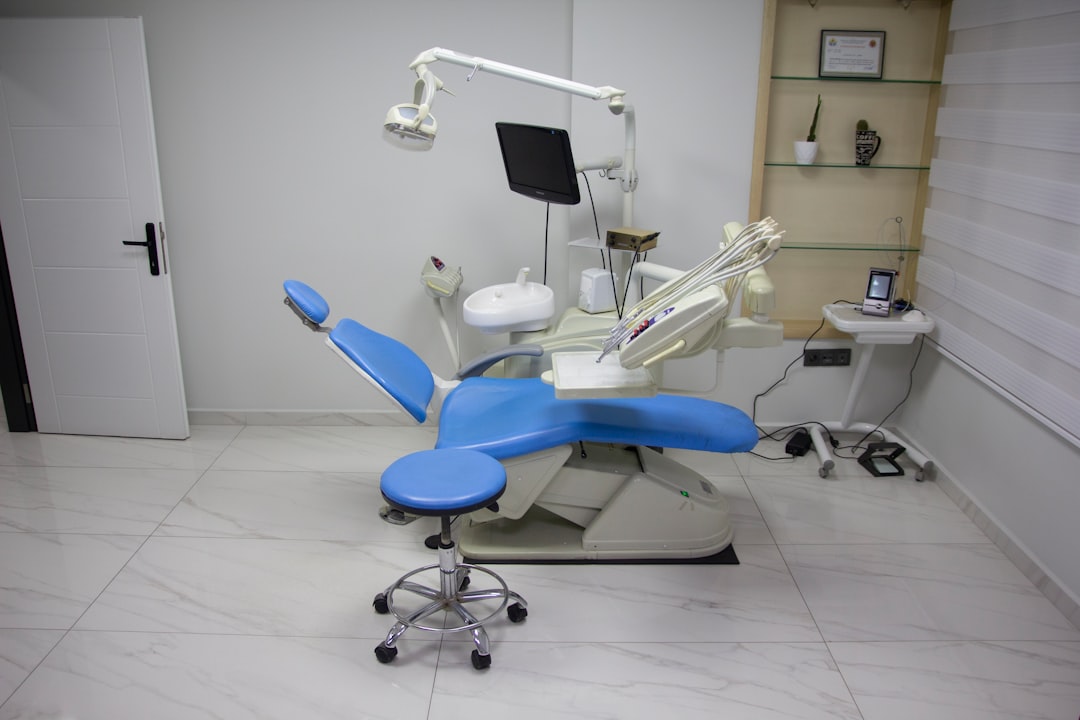
What is OpenEMR?
OpenEMR is an open-source electronic health record (EHR) and medical practice management system. It is designed to be a comprehensive solution for healthcare providers, including dental practices, to manage patient records, appointments, and billing. OpenEMR is highly customizable and can be tailored to meet the specific needs of a dental practice.
Main Features
Some of the key features of OpenEMR include:
- Patient demographics and medical history
- Appointment scheduling and reminders
- Electronic prescribing and medication management
- Lab results and radiology management
- Billing and insurance claims management
Installation Guide
System Requirements
Before installing OpenEMR, ensure that your system meets the following requirements:
- Operating System: Windows, Linux, or macOS
- Web Server: Apache or Nginx
- Database: MySQL or PostgreSQL
- PHP: 7.2 or later
Step-by-Step Installation
Follow these steps to install OpenEMR:
- Download the OpenEMR installation package from the official website.
- Extract the package to a directory on your web server.
- Create a new database and user for OpenEMR.
- Configure the OpenEMR settings file.
- Run the installation script.
Troubleshooting Exports and Imports
Common Issues
When exporting or importing data in OpenEMR, you may encounter the following issues:
- Invalid file format
- Missing or duplicate records
- Failed imports due to database errors
Troubleshooting Steps
To resolve these issues, follow these steps:
- Verify the file format and structure.
- Check for duplicate or missing records.
- Review the database error logs.
Secure Records Guide with Encrypted Repositories
Data Encryption
To ensure the security and confidentiality of patient records, OpenEMR provides data encryption features.
Follow these steps to enable data encryption:
- Configure the encryption settings.
- Generate a encryption key.
- Apply the encryption to the patient records.
Repository Management
OpenEMR provides a repository management system to store and manage patient records.
Follow these steps to manage the repositories:
- Create a new repository.
- Configure the repository settings.
- Assign patient records to the repository.
Pros and Cons of OpenEMR
Pros
Some of the advantages of using OpenEMR include:
- Highly customizable
- Comprehensive feature set
- Cost-effective
- Open-source community support
Cons
Some of the disadvantages of using OpenEMR include:
- Steep learning curve
- Requires technical expertise for installation and customization
- May require additional hardware and software resources
FAQ
Frequently Asked Questions
Here are some frequently asked questions about OpenEMR:
- Q: Is OpenEMR free to use?
- A: Yes, OpenEMR is free to download and use.
- Q: Can I customize OpenEMR to meet my specific needs?
- A: Yes, OpenEMR is highly customizable.
- Q: Is OpenEMR secure?
- A: Yes, OpenEMR provides data encryption and secure repository management features.