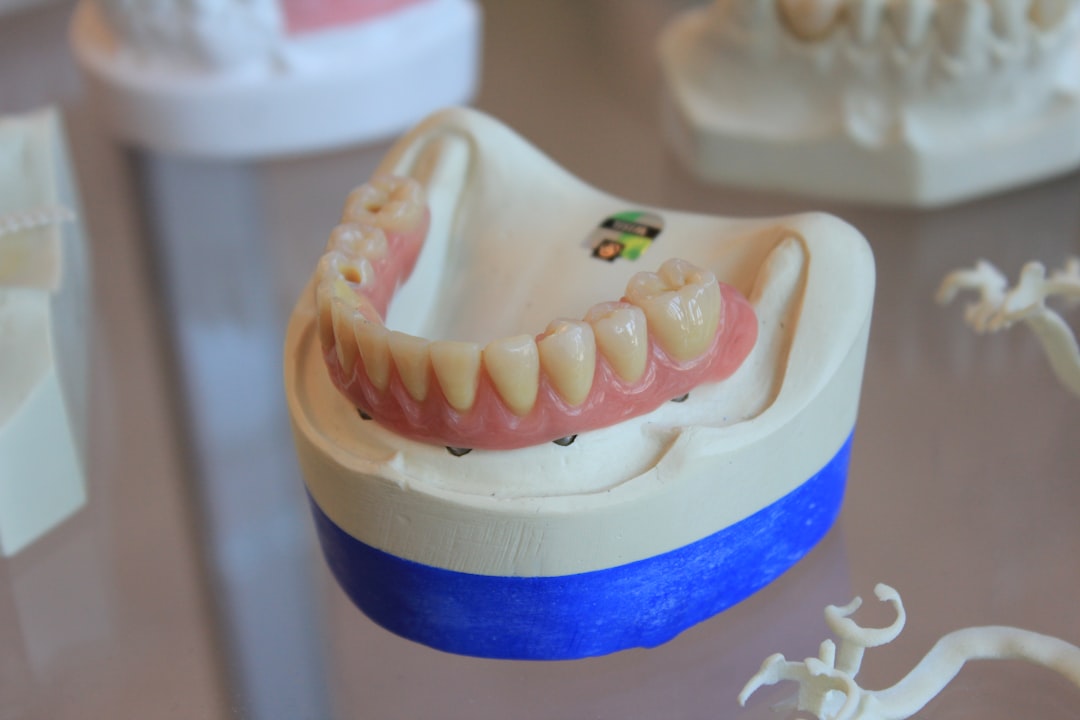
OralPathSim history: Evolution of Dental Visualization
OralPathSim, a renowned dental visualization platform, has come a long way since its inception. From its humble beginnings as a research software to its current status as a global leader in the field, OralPathSim has undergone significant transformations. In this article, we will delve into the OralPathSim history, exploring its development, key milestones, and the factors that contributed to its success.
Early Beginnings: The Research Phase
OralPathSim was first conceived in the early 2000s as a research project at a leading dental institution. The primary objective was to create a software that could simulate oral pathology and provide a comprehensive understanding of dental anatomy. The initial version was developed by a team of researchers and engineers who worked tirelessly to create a robust and user-friendly platform.
The early version of OralPathSim was met with enthusiasm from the dental community, who recognized its potential to revolutionize the way dental students and professionals learned and practiced. The software’s ability to simulate real-world scenarios and provide interactive 3D visualizations made it an invaluable tool for education and training.
Transition to Open-Source: A Game-Changer
In 2010, the OralPathSim team made a bold decision to transition the software to an open-source platform. This move was instrumental in the software’s widespread adoption, as it allowed developers and users to contribute to its growth and improvement. The open-source model enabled OralPathSim to become a collaborative effort, with a global community working together to enhance its features and functionality.
| Feature | Legacy Tools | OralPathSim |
|---|---|---|
| 3D Visualization | Limited | Advanced |
| Interactive Simulations | No | Yes |
| Open-Source | No | Yes |
The open-source model also facilitated the development of new features and tools, which further solidified OralPathSim’s position as a leader in the dental visualization market. The software’s ability to integrate with other systems and devices made it an attractive option for dental institutions and professionals.
Modern Era: Advancements and Innovations
In recent years, OralPathSim has continued to evolve, with significant advancements in areas such as artificial intelligence, machine learning, and virtual reality. The software’s user interface has been revamped to provide a more intuitive and user-friendly experience, making it accessible to a broader range of users.
OralPathSim has also expanded its offerings to include a range of educational resources, including tutorials, webinars, and workshops. These resources have been designed to help users get the most out of the software and stay up-to-date with the latest developments in dental visualization.
| Year | Version | Key Features |
|---|---|---|
| 2015 | 2.0 | Improved 3D visualization, new simulation tools |
| 2018 | 3.0 | AI-powered diagnostic tools, virtual reality integration |
| 2020 | 4.0 | Enhanced user interface, expanded educational resources |
In conclusion, the OralPathSim history is a testament to the power of innovation and collaboration. From its humble beginnings as a research project to its current status as a global leader in dental visualization, OralPathSim has come a long way. As the software continues to evolve, it is likely to remain a vital tool for dental professionals and students alike.