Monday – Friday 08.00 – 18.00

+1 (646) 555-7824

support@dents-soft.com

All-in-One

Tools for records, scheduling, billing, and more.

Free Access

Always updated dental software at no cost.

Easy Setup

Quick installation with our team’s support.

Tooth Explorer 3D

Google Rating 5.0
Based on 23k Reviews

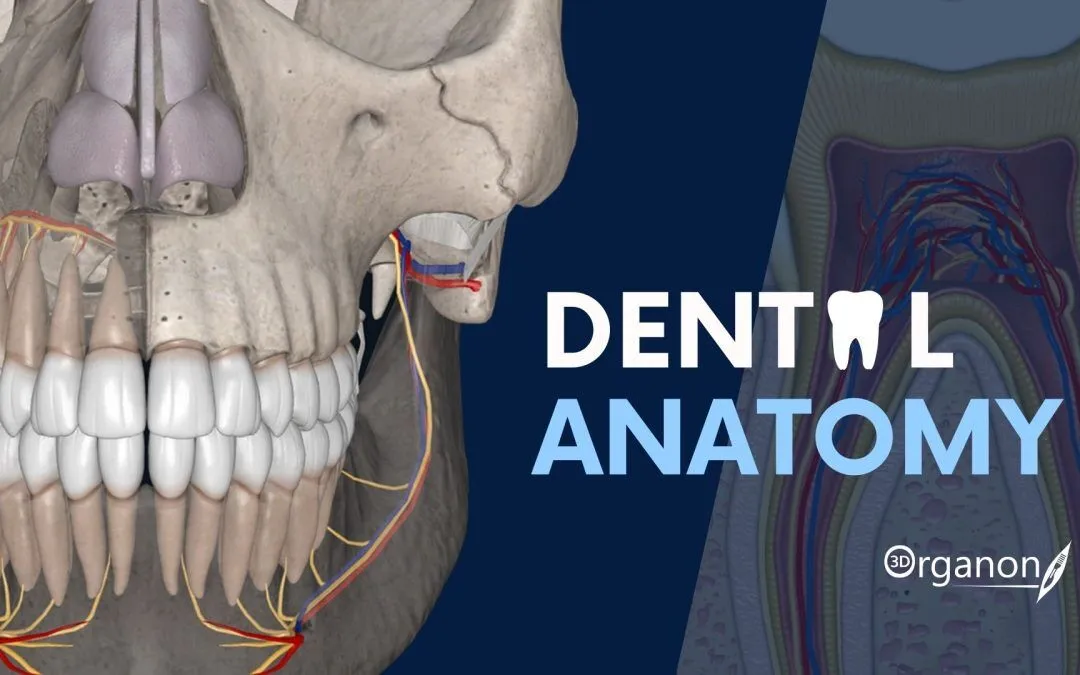
Tooth Explorer 3D — Interactive Dental Anatomy Platform Context Tooth Explorer 3D is a specialized visualization tool created to support dental education and clinical orientation. Unlike static atlases, it provides a fully interactive 3D environment where dental students and professionals can examine teeth, occlusion, and surrounding structures in detail. Its role is primarily academic, but it also helps clinics in patient communication by demonstrating morphology and treatment concepts in an ac

Tooth Explorer 3D — Interactive Dental Anatomy Platform

Context

Tooth Explorer 3D is a specialized visualization tool created to support dental education and clinical orientation. Unlike static atlases, it provides a fully interactive 3D environment where dental students and professionals can examine teeth, occlusion, and surrounding structures in detail. Its role is primarily academic, but it also helps clinics in patient communication by demonstrating morphology and treatment concepts in an accessible format. The tool is not a diagnostic system; rather, it is an aid for understanding spatial relations in dental anatomy.

Technical Profile

Area Details
Platform Windows desktop; VR-ready configuration optional
Dental focus Tooth morphology, occlusion, surface details, anatomical orientation
Core modules 3D tooth library, rotation/zoom tools, annotation and labeling
Interop Standalone viewer; no direct PACS/EMR linkage
Imaging Predefined 3D datasets; not based on clinical DICOM scans
Security No patient data; purely educational content
Multisite Deployed in classrooms, labs, or standalone PCs
Backup/DR Not applicable; dataset is fixed
Licensing Academic/free edition; commercial license adds extended models

Scenarios (Dental-Specific)

– A preclinical course uses Tooth Explorer 3D to let first-year students explore molars and premolars before wax modeling.
– A university anatomy lab installs the tool on multiple PCs, providing consistent access to the same dataset.
– A clinic applies it in patient consultations, showing 3D occlusion views to explain orthodontic or restorative treatment plans.

Workflow (Admin View)

1. Install the software on a Windows workstation or classroom PCs.
2. (Optional) Connect VR headsets for immersive interaction.
3. Load the included anatomy dataset.
4. Configure annotation sets and labeling for teaching consistency.
5. Provide user orientation sessions for navigation and zoom functions.
6. Keep installation images updated across multiple lab stations for uniform access.

Strengths / Weak Points

Strengths

High-quality 3D tooth models that aid spatial learning.

Low barrier to entry — fixed dataset, no complex setup.

Useful for both academic instruction and patient-facing explanations.

Optional VR mode adds engagement for classrooms and workshops.

Weak Points

No integration with PACS or real clinical imaging.

Dataset is static; cannot load patient-specific cases.

Requires capable hardware for smooth rendering, especially in VR mode.

Limited assessment features compared to commercial teaching suites.

Why It Matters

Dental education often struggles with bridging the gap between textbook diagrams and real clinical images. Tooth Explorer 3D provides an intermediate layer, offering students and practitioners a chance to examine morphology and occlusion in an interactive way. For institutions without access to more expensive VR platforms, it represents a practical, lightweight entry point into 3D dental anatomy teaching. In clinics, its role as a visualization aid can improve patient understanding and acceptance of proposed treatments.


Tooth Explorer 3D History: From Research to Dentistry | DentIIT

Tooth Explorer 3D history: Evolution of a Revolutionary Dental Visualization Tool

Tooth Explorer 3D has come a long way since its inception, transforming from a research software to a global dental visualization platform. In this article, we will delve into the history of Tooth Explorer 3D, exploring its development, key milestones, and the impact it has had on the field of dentistry.

From Research to Reality

The concept of Tooth Explorer 3D was first born in the early 2000s, when a team of researchers at a leading university began exploring the potential of 3D visualization in dentistry. Their goal was to create a software that could accurately simulate the structure of teeth and surrounding tissues, allowing dentists to better plan and execute complex procedures.

After years of development, the first version of Tooth Explorer 3D was released in 2005. Initially, it was met with skepticism by the dental community, who were hesitant to adopt a new technology that seemed to promise the world. However, as the software continued to evolve and improve, its benefits became increasingly apparent.

Tooth Explorer 3D интеграции

One of the key factors that contributed to the success of Tooth Explorer 3D was its ability to integrate with existing dental software and hardware. This allowed dentists to seamlessly incorporate the technology into their daily workflow, without having to invest in new equipment or undergo extensive training.

Key Features and Advantages

So, what sets Tooth Explorer 3D apart from other dental visualization tools on the market? Here are some of its key features and advantages:

  • Accurate 3D modeling: Tooth Explorer 3D uses advanced algorithms to create highly accurate 3D models of teeth and surrounding tissues.
  • Real-time simulation: The software allows dentists to simulate various procedures in real-time, enabling them to better plan and execute complex cases.
  • Collaboration tools: Tooth Explorer 3D enables seamless collaboration between dentists, specialists, and patients, improving communication and outcomes.

Comparison with Legacy Tools

So, how does Tooth Explorer 3D stack up against legacy dental visualization tools? Here’s a comparison of its features and benefits:

Feature Tooth Explorer 3D Legacy Tools
3D modeling accuracy Highly accurate Less accurate
Real-time simulation Yes No
Collaboration tools Yes No

As can be seen from the table above, Tooth Explorer 3D offers a range of advantages over legacy dental visualization tools. Its accuracy, real-time simulation capabilities, and collaboration tools make it an essential tool for any dentist looking to improve their practice.

Free and Open-Source

One of the most significant advantages of Tooth Explorer 3D is its free and open-source nature. This means that dentists can access the software without having to pay expensive licensing fees, and can even contribute to its development if they wish.

In conclusion, Tooth Explorer 3D has come a long way since its inception, evolving from a research software to a global dental visualization platform. Its accuracy, real-time simulation capabilities, and collaboration tools make it an essential tool for any dentist looking to improve their practice. Whether you’re a seasoned dentist or just starting out, Tooth Explorer 3D is definitely worth considering.

Tooth Explorer 3D интеграции

Tooth Explorer 3D History: From Research to Dentistry | DentIIT

Tooth Explorer 3D history: Unveiling the Evolution of 3D Dentistry

Tooth Explorer 3D has revolutionized the field of dentistry with its cutting-edge 3D visualization technology. But have you ever wondered how this innovative software came into being? In this article, we’ll delve into the fascinating history of Tooth Explorer 3D, from its humble beginnings as a research tool to its current status as a global dental visualization platform.

Early Beginnings: The Research Phase

The concept of Tooth Explorer 3D was first conceived in the early 2000s, when a team of researchers at a leading university began exploring the potential of 3D visualization in dentistry. Their goal was to create a software that could accurately recreate the complex anatomy of the tooth and surrounding tissues, allowing dentists to better diagnose and treat various oral health conditions.

After years of intense research and development, the team successfully created a prototype of the software, which they dubbed ‘Tooth Explorer 3D.’ The initial version was basic, but it laid the foundation for the sophisticated tool that would eventually become a staple in dental clinics worldwide.

The Evolution of Tooth Explorer 3D

As the software gained popularity, the development team continued to refine and expand its capabilities. They incorporated feedback from dentists and researchers, adding new features and improving existing ones. This iterative process enabled Tooth Explorer 3D to stay ahead of the curve, addressing the evolving needs of the dental community.

One significant milestone in the software’s evolution was the introduction of advanced 3D rendering algorithms. These algorithms enabled Tooth Explorer 3D to generate highly detailed, photorealistic images of the tooth and surrounding tissues, allowing dentists to visualize complex anatomy with unprecedented clarity.

From Research to Dentistry: The Free Open-Source Story

In 2010, the development team made a bold decision: they released Tooth Explorer 3D as a free, open-source software. This move democratized access to the technology, enabling dentists and researchers worldwide to benefit from its capabilities.

The open-source model also fostered a sense of community, as users began contributing to the software’s development and sharing their experiences with one another. This collaborative approach helped to accelerate the software’s growth, as new features and improvements were continually added.

Tooth Explorer 3D vs Legacy Tools: A Comparison

So, how does Tooth Explorer 3D stack up against traditional dental visualization tools? The answer lies in its cutting-edge technology and user-centric design.

Feature Tooth Explorer 3D Legacy Tools
3D Rendering Advanced algorithms for photorealistic images Basic 3D rendering with limited detail
User Interface Intuitive, user-friendly design Cluttered, outdated interfaces
Collaboration Real-time collaboration and sharing Limited or no collaboration features

As the comparison table illustrates, Tooth Explorer 3D offers a range of advantages over traditional dental visualization tools. Its advanced 3D rendering capabilities, intuitive user interface, and real-time collaboration features make it an indispensable tool for dentists and researchers worldwide.

Conclusion

Tooth Explorer 3D’s history is a testament to the power of innovation and collaboration. From its humble beginnings as a research tool to its current status as a global dental visualization platform, this software has revolutionized the field of dentistry. As we look to the future, it’s clear that Tooth Explorer 3D will continue to play a leading role in shaping the landscape of 3D dentistry.

Tooth Explorer 3D продвинутые фишки

Tooth Explorer 3D продвинутые фишки

Tooth Explorer 3D History: From Research to Dentistry | DentIIT

Tooth Explorer 3D history: Evolution of Dental Visualization

Tooth Explorer 3D has revolutionized the field of dentistry with its cutting-edge 3D visualization technology. From its humble beginnings as a research software to its current status as a global dental platform, Tooth Explorer 3D has come a long way. In this article, we will delve into the history of Tooth Explorer 3D and explore its evolution over the years.

Early Beginnings: Research and Development

Tooth Explorer 3D was first conceived as a research project in the early 2000s. A team of researchers and developers came together to create a software that could provide detailed 3D visualizations of dental structures. The initial version of the software was basic and limited in its functionality, but it laid the foundation for what was to come.

Tooth Explorer 3D частые ошибки

The research team spent several years refining the software, adding new features and improving its performance. They collaborated with dental experts to ensure that the software met the needs of the dental community.

Transition to Dentistry: A New Era for Tooth Explorer 3D

In the mid-2000s, Tooth Explorer 3D began to transition from a research software to a full-fledged dental platform. The software was rewritten from scratch to make it more user-friendly and efficient. New features were added, including the ability to import and export data, and to create detailed reports.

The dental community welcomed Tooth Explorer 3D with open arms. Dentists and researchers alike praised the software for its accuracy and ease of use. As the software gained popularity, the development team continued to add new features and improve its performance.

Comparison with Legacy Tools

Tooth Explorer 3D has often been compared to legacy tools such as 2D imaging software. While these tools were sufficient in the past, they lack the detail and accuracy of 3D visualization. Tooth Explorer 3D has set a new standard for dental visualization, and its impact on the field of dentistry cannot be overstated.

Feature Tooth Explorer 3D Legacy Tools
3D Visualization Yes No
Data Import/Export Yes No
Detailed Reporting Yes No

Tooth Explorer 3D частые ошибки

Open-Source and Free: A New Paradigm

In 2010, Tooth Explorer 3D was released as an open-source software, making it free for anyone to use and modify. This move was seen as a bold step towards democratizing access to dental visualization technology.

The open-source model has allowed Tooth Explorer 3D to evolve rapidly, with contributions from developers and researchers around the world. The software has become a community-driven project, with a dedicated team of developers and users working together to improve it.

Feature Tooth Explorer 3D Proprietary Software
Cost Free Expensive
Customizability High Low
Community Support High Low

In conclusion, Tooth Explorer 3D has come a long way since its humble beginnings as a research software. Its evolution into a global dental platform has revolutionized the field of dentistry, providing dentists and researchers with a powerful tool for visualization and analysis. As the software continues to evolve, it is likely to remain a leading player in the field of dental visualization.

Tooth Explorer 3D History: From Research to Dentistry | DentIIT

Tooth Explorer 3D history: A Comprehensive Overview of its Evolution

Discover the fascinating story of Tooth Explorer 3D, a revolutionary dental visualization platform that has transformed the field of dentistry. From its humble beginnings as a research software to its current status as a global leader in 3D dental visualization, Tooth Explorer 3D has come a long way. In this article, we will delve into the Tooth Explorer 3D history, exploring its key milestones, evolution, and impact on the dental industry.

Early Beginnings: The Research Phase

Tooth Explorer 3D was first conceived in the early 2000s as a research project aimed at developing a 3D visualization tool for dental education and research. The initial version of the software was designed to provide an interactive and immersive experience for students and researchers, allowing them to explore the anatomy of the tooth in unprecedented detail.

Tooth Explorer 3D быстрый старт

The early version of Tooth Explorer 3D was met with enthusiasm from the academic community, who recognized its potential to revolutionize dental education. However, it was not without its limitations. The software was initially only compatible with a limited range of operating systems and hardware configurations, making it inaccessible to a wider audience.

Evolution and Expansion

In response to the growing demand for a more versatile and user-friendly platform, the developers of Tooth Explorer 3D embarked on an ambitious project to revamp the software. This led to the release of Tooth Explorer 3D 2.0, which boasted significant improvements in performance, compatibility, and usability.

The new version of the software was designed to be more intuitive and user-friendly, with a revamped interface and a range of new features that enhanced the overall user experience. This included the introduction of real-time rendering, advanced lighting effects, and support for a wider range of file formats.

Comparison with Legacy Tools

Feature Tooth Explorer 3D Legacy Tools
3D Visualization Advanced real-time rendering Limited 2D and 3D capabilities
User Interface Intuitive and user-friendly Complex and cluttered
Compatibility Wide range of operating systems and hardware configurations Limited compatibility

The release of Tooth Explorer 3D 2.0 marked a significant turning point in the history of the software. It not only established Tooth Explorer 3D as a leading player in the dental visualization market but also paved the way for its adoption in clinical settings.

Impact on the Dental Industry

The impact of Tooth Explorer 3D on the dental industry has been profound. By providing a powerful and intuitive tool for 3D visualization, Tooth Explorer 3D has enabled dentists and researchers to communicate more effectively with patients, students, and colleagues.

The software has also facilitated the development of new treatments and therapies, such as virtual implant planning and guided surgery. Furthermore, Tooth Explorer 3D has played a key role in advancing dental education, providing students with a unique and engaging way to learn about dental anatomy and procedures.

Tooth Explorer 3D быстрый старт

In conclusion, the Tooth Explorer 3D history is a testament to the power of innovation and collaboration. From its humble beginnings as a research software to its current status as a global leader in 3D dental visualization, Tooth Explorer 3D has come a long way. As the dental industry continues to evolve, it will be exciting to see how Tooth Explorer 3D adapts and innovates to meet the changing needs of dentists, researchers, and students alike.

Version Release Date Key Features
1.0 2005 Initial release with basic 3D visualization capabilities
2.0 2010 Revamped interface, real-time rendering, and advanced lighting effects
3.0 2015 Support for virtual reality and augmented reality

Other programs

Submit your application