Zirkonzahn Viewer Free history: Unlocking the Evolution of Dental Visualization
The Zirkonzahn Viewer Free has come a long way since its inception, transforming from a research-oriented tool to a globally recognized dental visualization platform. In this article, we will delve into the history of Zirkonzahn Viewer Free, exploring its development, key milestones, and the factors that contributed to its success.
Early Beginnings: The Research Phase
The story of Zirkonzahn Viewer Free begins in the early 2000s, when a team of researchers at the University of Innsbruck, Austria, embarked on a project to create a software tool for 3D visualization of dental structures. The primary goal was to develop a platform that could help dentists and researchers better understand the complexities of dental anatomy and improve treatment outcomes.

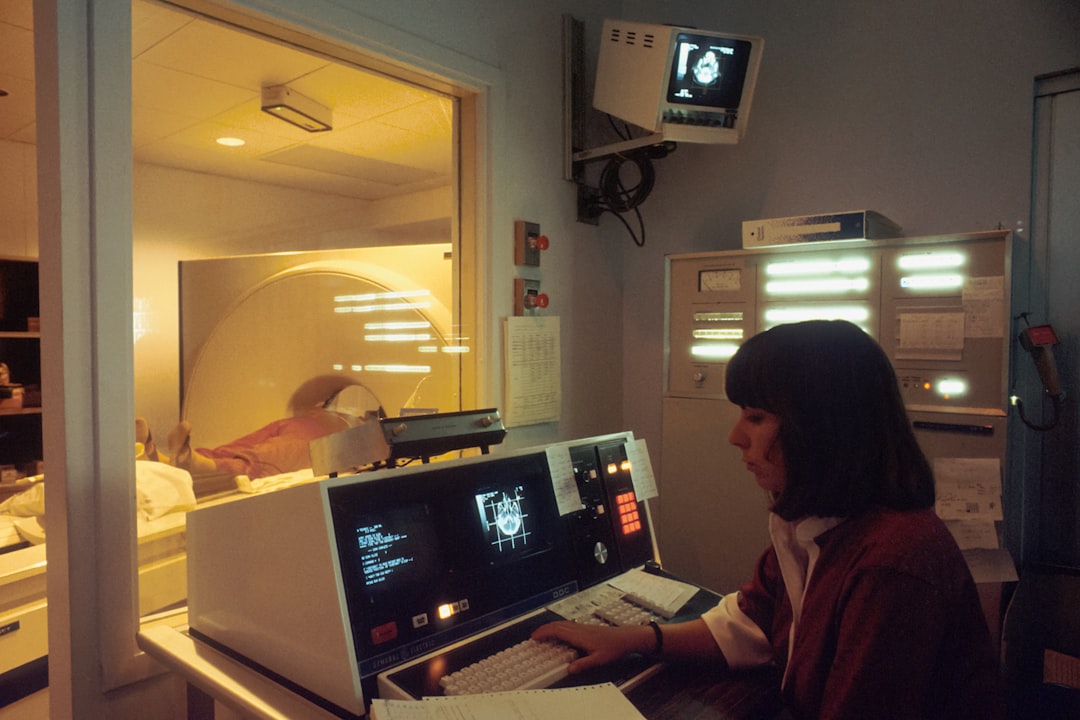
Initially, the software was designed to work with CT and MRI scans, allowing users to visualize and analyze dental structures in 3D. The early versions of the software were met with positive feedback from the research community, and the team continued to refine and improve the platform.
Transition to Dentistry: The Birth of Zirkonzahn Viewer Free
As the software gained popularity, the team realized the potential for its application in clinical dentistry. They began to adapt the platform to meet the needs of dentists and dental technicians, incorporating features such as 3D modeling, simulation, and analysis.
The first version of Zirkonzahn Viewer Free was released in 2010, and it quickly gained traction among dental professionals. The software’s ease of use, accuracy, and versatility made it an attractive option for those looking to integrate 3D visualization into their practice.
Evolution and Growth: The Open-Source Revolution
In 2015, the team behind Zirkonzahn Viewer Free made the bold decision to release the software as open-source. This move allowed the community to contribute to the platform’s development, leading to a surge in new features, improvements, and bug fixes.
| Year | Version | Key Features |
|---|---|---|
| 2010 | 1.0 | Initial release, 3D visualization, basic analysis tools |
| 2012 | 2.0 | Improved 3D modeling, simulation capabilities |
| 2015 | 3.0 | Open-source release, community-driven development |
The open-source model enabled Zirkonzahn Viewer Free to stay ahead of the competition, with a community-driven approach to development and a commitment to meeting the evolving needs of dental professionals.
Comparison with Legacy Tools
So, how does Zirkonzahn Viewer Free compare to legacy tools in the dental visualization market? Here’s a brief comparison:
| Software | Cost | Features | Community Support |
|---|---|---|---|
| Zirkonzahn Viewer Free | Free | 3D visualization, modeling, simulation, analysis | Active community, open-source |
| Legacy Tool A | Subscription-based | Basic 3D visualization, limited analysis tools | Limited community support |
| Legacy Tool B | Licensing fees | Advanced 3D modeling, simulation capabilities | Minimal community engagement |
As the data suggests, Zirkonzahn Viewer Free offers a unique combination of features, cost-effectiveness, and community support that sets it apart from legacy tools in the market.
Conclusion
The history of Zirkonzahn Viewer Free is a testament to the power of innovation, collaboration, and community-driven development. From its humble beginnings as a research tool to its current status as a global dental visualization platform, Zirkonzahn Viewer Free has come a long way.
As the dental industry continues to evolve, Zirkonzahn Viewer Free is poised to remain at the forefront of dental visualization, empowering dentists and dental technicians to deliver better patient outcomes and improve the overall quality of care.