FreeDental history: Evolution of a Revolutionary Platform
FreeDental has become synonymous with cutting-edge dental practice management, but its journey began in a vastly different context. In this article, we’ll delve into the fascinating story of FreeDental’s history, from its humble beginnings as research software to its current status as a global leader in dental visualization.
Early Beginnings: The Genesis of FreeDental
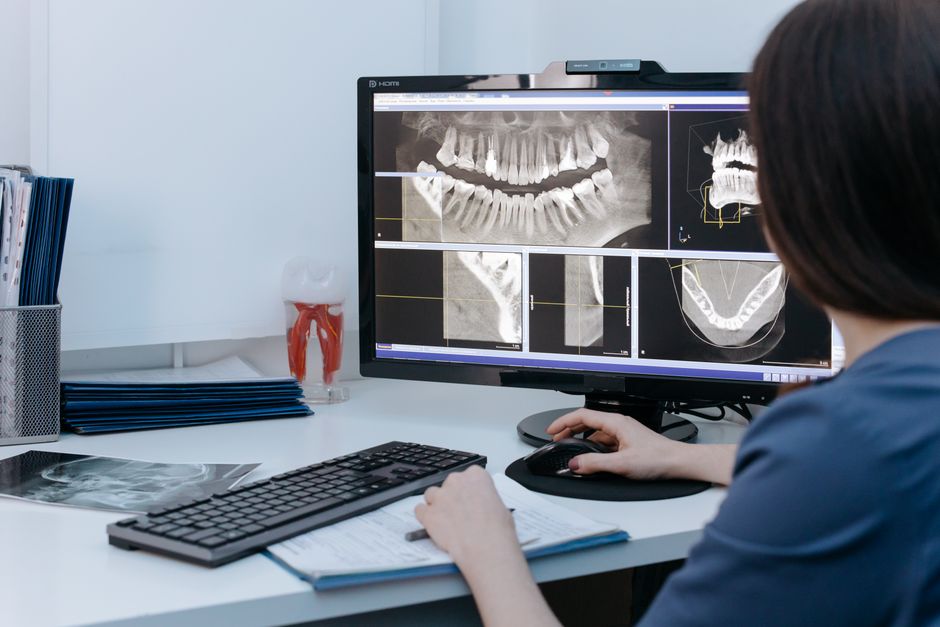
FreeDental was first conceived in the early 2000s as a research project focused on developing open-source software for dental visualization. The initial goal was to create a platform that could facilitate the creation, manipulation, and analysis of 3D dental models.
The project quickly gained traction, attracting the attention of researchers and dental professionals worldwide. As the software evolved, its potential applications expanded beyond the research realm, and it began to be used in various dental practices.
Key Features and Advantages
So, what sets FreeDental apart from its competitors? Here are some of its key features and advantages:
- Free and open-source: FreeDental is completely free to download and use, making it an attractive option for dental practices of all sizes.
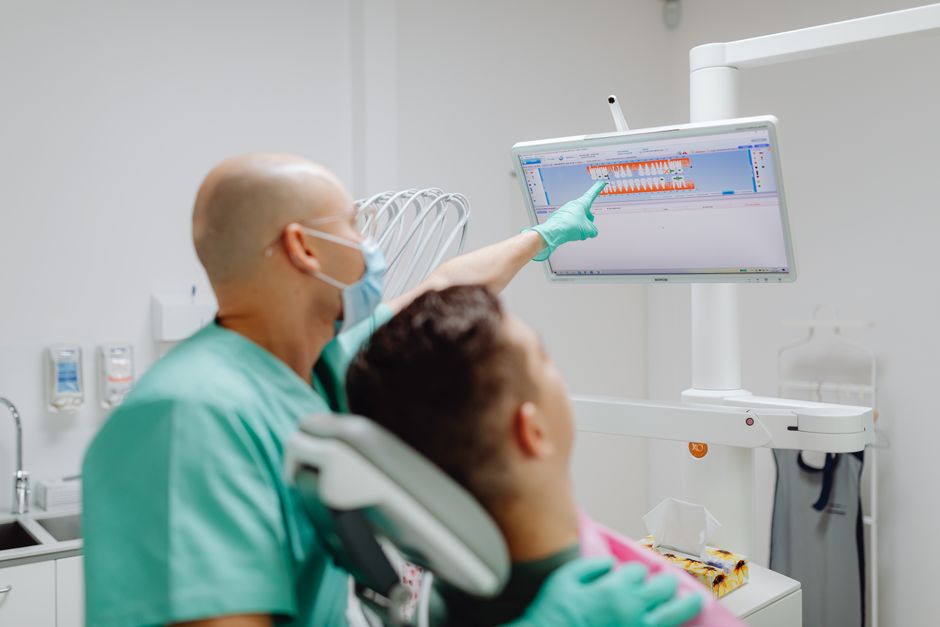
- High-performance 3D visualization: FreeDental’s advanced rendering engine provides fast and accurate 3D visualization, allowing dentists to explore complex dental models with ease.
- Intuitive interface: FreeDental’s user-friendly interface makes it easy for dentists to navigate and use the software, even for those without extensive technical expertise.
- Customizable and extensible: FreeDental’s open architecture allows developers to create custom plugins and extensions, further expanding its capabilities.
| Feature | FreeDental | Legacy Tools |
|---|---|---|
| Cost | Free | High upfront costs |
| Performance | High-performance 3D visualization | Slow and limited rendering |
| User Interface | Intuitive and user-friendly | Complex and cluttered |
Evolution and Growth
Over the years, FreeDental has undergone significant transformations, driven by the needs of its growing user base. The software has evolved to include new features, such as:
- Integration with popular dental software: FreeDental now seamlessly integrates with various dental software, streamlining workflows and enhancing productivity.
- Advanced analysis and simulation tools: FreeDental’s analysis and simulation tools enable dentists to perform complex tasks, such as orthodontic treatment planning and dental implant placement.
- Cloud-based collaboration: FreeDental’s cloud-based platform allows multiple users to collaborate on cases in real-time, enhancing communication and streamlining workflows.
| Year | Feature/Milestone |
|---|---|
| 2005 | Initial release of FreeDental as research software |
| 2010 | First commercial release of FreeDental |
| 2015 | Integration with popular dental software |
| 2020 | Launch of cloud-based collaboration platform |
Today, FreeDental is a leading dental visualization platform, used by thousands of dental professionals worldwide. Its commitment to innovation and user-centric design has made it an indispensable tool in modern dentistry.
Comparison with Legacy Tools
So, how does FreeDental compare to legacy tools? Here’s a summary:
| Feature | FreeDental | Legacy Tools |
|---|---|---|
| Cost-effectiveness | Free and open-source | High upfront costs |
| Performance | High-performance 3D visualization | Slow and limited rendering |
| User Interface | Intuitive and user-friendly | Complex and cluttered |
| Customizability | Highly customizable and extensible | Limited customization options |
In conclusion, FreeDental’s history is a testament to the power of innovation and community-driven development. From its humble beginnings as research software to its current status as a global leader in dental visualization, FreeDental has evolved to meet the needs of dental professionals worldwide.